
Technical Standards
Industrial Algae Measurements v. 8.0
The goal of this document is to provide an overview of the current state of the art of measurements or metrics, as well as policy and regulatory environments that are pertinent to the development and growth of a successful algal industry.The descriptive parameters listed in this document are designed to provide the industry and academic groups with a common language and direct and objective parameters for the evaluation of technologies currently on track to be commercialized.
About ABO Non-profit Organization
Founded in 2008, the Algae Biomass Organization's mission is to promote the development of viable commercial markets for renewable and sustainable products derived from algae.
Dedicated to Mary Rosenthal
As first Executive Director of the ABO, Mary championed the development of technical standards in our still nascent industry. When ABO started it was no more than a small group of like-minded engineers,entrepreneurs, and scientists who saw the need to have an organization promoting the use of algal biomass and the growth of an algae industry to produce it. Mary helped champion the Technical Standards Committee into what it is today.
Productivity & Analysis
CH. 1
State-of-the-Art-Algal Product and Operations Measurements
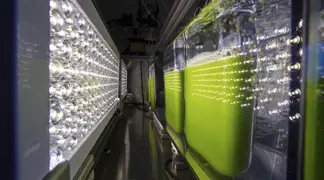
This chapter discusses methodologies for assessing productivity at the cellular level, along with the detailed composition of the products. In this version of the document, we include a discussion of available standard procedures for feedstock and product characterization that have been made available through standards agencies such as ASTM, AOAC, and AOCS.
CH. 2
Life Cycle and Tcehnoeconomic Analysis for the Uniform Definition of Algal Operations
This chapter gives a rudimentary understanding of life cycle analyses specifically applicable to the algae industry and increasingly important in the funding and government support of programs.
CH. 3
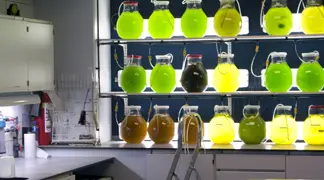
Regulations and Policy on Algal Production Operations
This chapter reviews and summarizes regulatory and permitting processes applicable to algae farming, and provides a framework overview of the siting approval process.
CH. 4
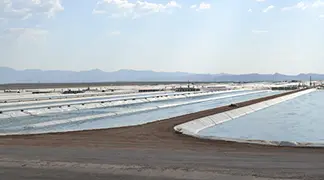
Use of Wastewater in Algal Cultivation
This chapter discusses the considerations of using wastewater as a nutrient and water source for an algae farm and takes into account the regulations and permitting involved in commercialization. Algal growth on wastewater is discussed in the context of the presence of pollutants and in different production systems, and ultimately evaluation metrics for wastewater treatment and recycling are listed.
CH. 5
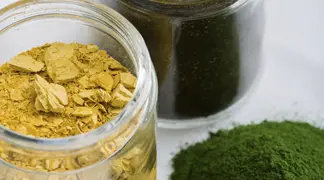
Regulatory and Process Considerations for Marketing Algal-based Food, Feed, and Supplements
This chapter outlines regulatory process steps in obtaining approval from the respective overseeing agencies for the inclusion of algae as novel dietary ingredients or food/feed additives.
CH. 6

Regulatory Considerations and Standards for Algal Biofuels
This chapter describes the process required to produce a legally marketable biofuel from algae, with links to comply with the new developments on the Renewable Fuel Standard that is administered by the EPA.
CH. 7
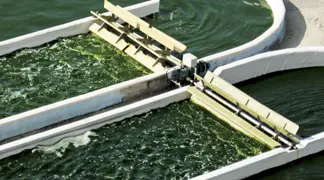
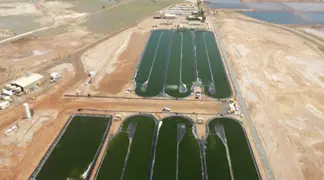
Open and Closed Algal Cultivation Systems, Including Heterotrophic Fermentation of Algae
This chapter describes measurement parameters and reporting metrics that are particularly important in comparing algal growth systems.